by Aaira Gupta
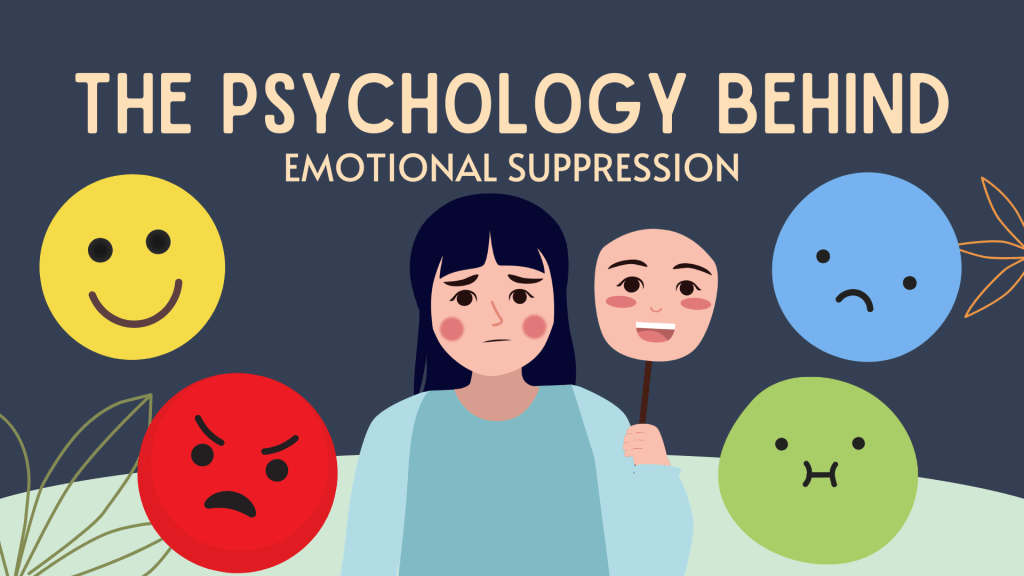
“I’m fine” is something we have all said as a response at least a few times. Sometimes the phrase comes out automatically before we even consider how we feel. Why does our brain do that?
It may be because it is easier for us to just claim we are okay instead of analyzing how and why we feel that way. Maybe it’s to avoid looking weak in front of others. It also avoids a potentially awkward conversation with the person asking.
For teenagers, the pressure can be even greater. It can be considered “uncool” or “embarassing” to talk about among friends which makes hiding feelings seem like the safest option.
While pushing our emotions aside can seem beneficial in the short-term, it can have severe long-term effects many are unaware of.
In the rest of this blog post, I will be going over what emotional suppression is, long term consequences, and what to do instead in greater depth.
What is Emotional Suppression?

Emotional suppression is the conscious or unconscious habit of pushing away, ignoring, or downplaying emotions (especially uncomfortable emotions such as anger, fear, embarrassment) instead of acknowledging and processing them.
For example, this could be someone who always puts on a smile and acts all cheerful even though they are feeling anxious on the inside.
Research has found that while emotional suppression may reduce how much emotion we show on the outside, it doesn’t necessarily reduce what we are feeling on the inside.
It is also important to differentiate emotional suppression and healthy emotional regulation.
Emotional suppression:
- Pushes emotions out of awareness
- Pretends they don’t exist
- Provides temporary relief
Healthy emotional regulation:
- Acknowledges emotions without letting them take over
- Understands why you’re feeling that way
- Allows emotions to naturally fade over time
It is essential to prioritize learning healthy emotional regulation. While it may take more practice, it will help you understand your feelings rather than hide them. Over time this can lead to an improved mental well-being.
Why Do Teenagers Suppress Emotions?

Oftentimes our brain suppresses emotions in order to protect us. This can happen so that we can avoid appearing weak, prevent conflict or awkward conversations, fit in socially, or to focus on an immediate task (such as an exam or competition).
For teenagers, the biggest reason why they suppress their emotions is the fear of what others will think. Many teens worry that expressing feelings such as sadness, anxiety, or insecurity will make them seem weak, overly dramatic, or “too emotional.”
This is especially true in males. From a young age, boys are frequently taught to be stoic and strong which discourgages showing vulnerability. Since they are less likely to express themselves, they are also less likely to recieve help they may need in regards to their mental health.
Adolescence is also a time where belonging to a group and fitting in can feel incredibly important. If a teenager believes their emotions don’t match what everyone else is showing, they may hide them to avoid standing out. Talking about emotions can also lead to uncomfortable conversations which may be why staying silent feels easier.
Another reason teens may suppress emotions is their family environment. As children, we learn how to handle our emotions by watching the adults around us. Hearing things such as “Stop crying,” “Be strong,” or “Don’t be so sensitive,” can teach them that expressing emotions is unacceptable.
Something else to consider is that a lot of teenagers aren’t intentionally hiding their emotions at all; They simply don’t have the knowledge or self-awareness to identify them. For example, a teenager may claim they are “angry” when they are actually embarrassed. Without recognizing the emotion, it is difficult to express it.
What Happens In The Brain?
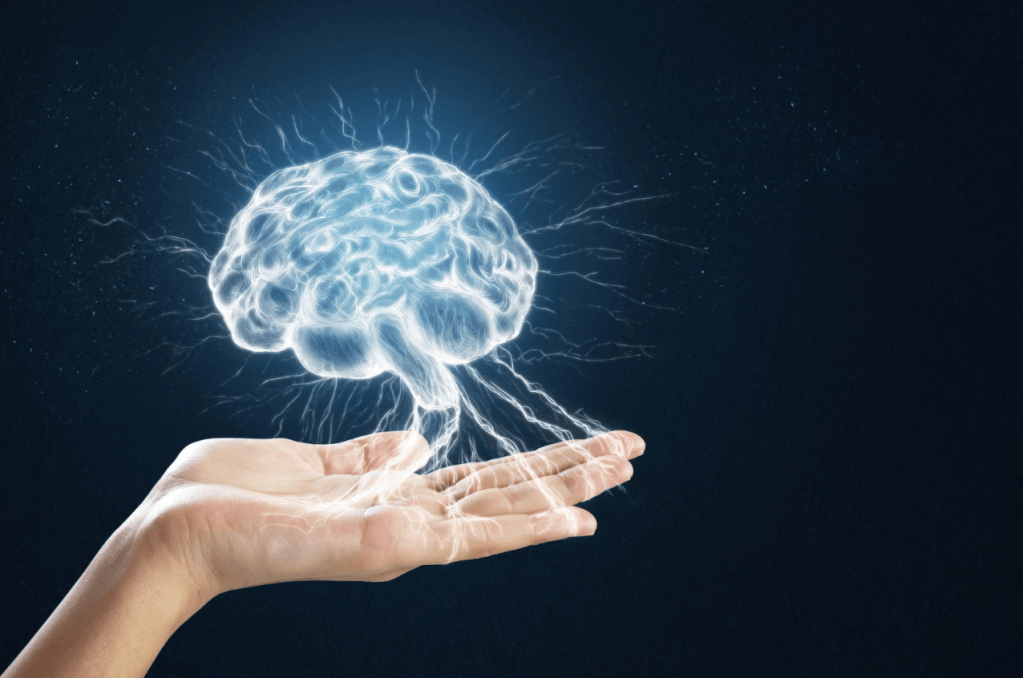
The amygdala is the part of the brain that plays a vital role in processing emotions and regulating the fight-or-flight response. It triggers emotions such as fear, anger, or sadness.
The prefrontal cortex (located behind your forehead) evaluates the situation and decides how to respond. This part of the brain helps regulate emotions and make thoughful decisions.
When someone suppresses their emotions, the prefrontal cortex tells the brain to hide the emotional response rather than express it. However, this does not get rid of the emotion at all. Heart rate, stress hormones, and brain activity associated with the emotion may remain elevated even if you appear calm.
Over time, repeatedly suppressing emotions can become a habit. This is a bad thing because instead of you consciously deciding to hide emotions, your brain begins doing it automatically.
Short-Term Benefits
Short term, emotional suppression can be useful. For example, putting aside your frustration until after a job interview helps us stay focused.
Holding back strong emotions can also help with avoiding conflict by preventing arguments or uncomfortable converstations until a better time.
It can also help us maintain self-control by stopping us from reacting impulsively when we are angry/embarrassed/frustrated.
Overall, it is important to recognize that it only becomes a problem when suppression becomes your default way of dealing with emotions.
Long-Term Consequences

So what are the consequences of emotional suppression? What makes it so bad?
- Difficulty Understanding Your Emotions: The more you ignore your emotions, the harder it becomes to recognize what your actually feeling. This is called low emotional awareness which makes it hard to effectively understand others and navigate conflict.
- Increased Stress: When emotions are pushed aside instead of processed the body’s stress response can remain active for longer. This may leave you feeling mentally and physically exhausted.
- Anxiety and Depression: Research has show that people who frequently suppress emotions are more likely to experience symptoms of anxiety and depression.
- Emotional Outbursts: Emotions can build up over time until they eventually come out in ways that can feel overwhelming (example: the smallest mistake makes you break down in tears)
- Weaker Relationships: Healthy relationships rely on honest communication and constantly hiding emotions can make it harder for friends and family to understand what you’re going through. This leads to misunderstandings or emotional distance.
What Actually Helps?
Learning to navigate your emotions can be daunting. Here are a few strategies that can help.
- Name your emotions: simply identifying how you feel can make your emotions feel more mangeable.
- Accept your emotions: Not every emotion feels good but that doesn’t make it wrong. Acknowledge that its there (accepting an emotion doesn’t mean acting on it!)
- Talk to someone you trust: Sharing your thoughts can help you process emotions can gain a different perspective.
- Write Down Your Thoughts: Even spending 5 minutes a day can increase emotional awareness. Since our brains work faster than we write, journaling can help us process and put our feelings into words.
- Remember that emotions are temporary: When experiencing difficult emotions we need to remember that these feelings will pass and things will get better.
Even if you don’t struggle with emotional suppression, these tips can be very helpful in better understanding yourself and improving your mental health.
Please be sure to give this post a kudos if you liked it! Also check out The Mind Unfiltered on Spotify!! There, I inteview various mental health professionals on what they suggest teenagers do to live a happier life.
Sources:
https://www.facebook.com/parents. “Why Your Teen May Be Hiding Their Emotions Around Friends.” 2025.
“Repressed Emotions: Finding and Releasing Them.” 31 Mar. 2020.
“What Is Emotional Suppression? – PsychPlus.” 5 Dec. 2025.
“What Is Emotional Suppression? – Telapsychiatry.” 25 Sept. 2025.
Williams, Lisa. “When ‘I’m Fine’ Is a Habit: Emotional Suppression.” 6 Feb. 2026.


Leave a Reply