By Aaira Gupta
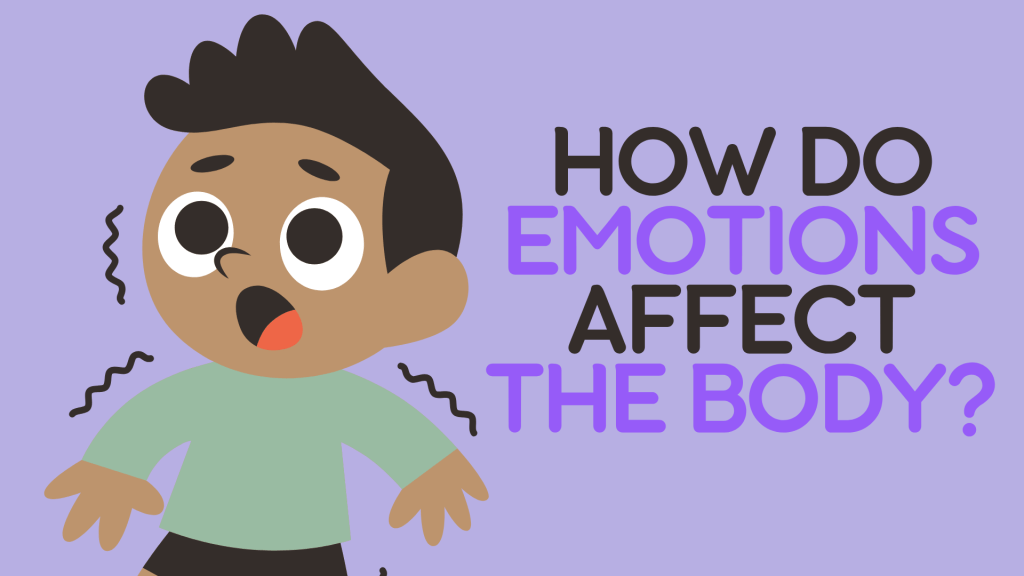
You may have heard phrases such as someone having “butterflies in their stomach” or “dying of a broken heart.” Although we know that these phrases should not be taken literally, they suggest that our emotions can have real physical consequences.
Not many realize that how we feel actually influences our health and our bodies long term.
At first glance, you may think its silly to believe that something like heartbreak can cause physical hurt to the body. It makes sense: how could something that we can’t see or touch hurt us? Throughout history, society has separated mental and physical health because we struggle to accept non-tangible or “invisible” causes.
Even though these sayings can be perceived as overdramatic or an exaggeration to express how we feel, studies have proven that you can’t deny that our emotions play a huge role with our health.
This topic is especially important for teenagers because the long term stress that can occur with applying to colleges, navigating relationships, and forming an identity can be detrimental to their well-being. This is because our bodies don’t know the difference between actual physical danger (like being chased) and psychological stress (like work deadlines).
This means it is our job to prioritize having good mental health and participate in activities that make us happy.
In What Ways Do Our Emotions Influence Our Body

The most obvious way our bodies are influenced is through the physical sensations emotions create. For example, anxiety may cause chest tightness or headaches while fear may cause an upset stomach.
These sensations help us identify our feelings- In fact, modern research shows us that our emotions need to be expressed in a healthy manner in order to maintain a healthy mental & physical wellbeing.
When emotions are buried and not dealt with properly (such as forcing yourself to be happy when you want to cry), they may drain energy away from your physical body. This could be through an increase in unhealthy coping mechanisms, chronic disease, and more.
Long-Term Effects of Stress:
A common example of this is when you are in a state of stress for a long period of time. Everyone has some amount of stress in their lives and this can even be considered healthy. It becomes a problem when the stress never seems to end.
Even if you feel like you are someone who handles stress well, your body keeps the score. When you are stressed, your body releases stress hormones that can lead to headaches, poor sleep, and heart diseases.
Cortisol (the main stress hormone) slows body functions that are not needed in a fight-or-flight situation. This is helpful when you are in dangerous situations because it increases the availability of substances in the body that repair tissues (Mayo Clinic Staff, 2026).
However, long-term it changes our immune system responses and makes it harder for our biological systems to work. It is also linked with the brain regions that control our mood and thought processes which is why it can lead to an increase in depression, anxiety, and more.
Positive Emotions Matter Too:
The reverse is also the case. When you constantly look at the bright side of things, your overall physical health is much better. Having a positive outlook on life doesn’t mean that you will never experience negative emotions; Rather, it’s finding the balance between the two.
People who have a healthy mental health are able to bounce back from difficulties faster. Research has also shown that there is a link between being positive and reduced risk for heart disease, healthier weight, better blood sugar levels, and a longer life (NIH, 2015).
Worthwhile things that you can consider doing to protect your health include meditation, journaling, and self-reflection. When you feel a certain way, make sure to ask yourself why you feel this way. Even if you can’t find a solution to your problem, it allows you to move forward and not dwell on the past.
Unresolved traumas can manifest in other ways which is why it is so important to address problems as they arise.
Why Does This Happen?
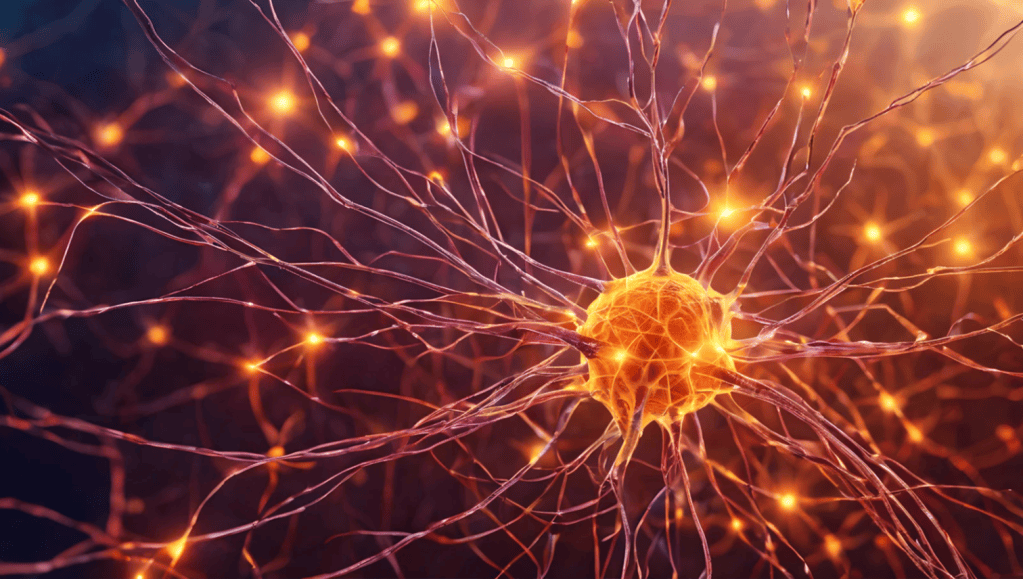
Through the nervous system, our brains and bodies are constantly communicating. This is why something we feel emotionally can create a physical response.
When our brain senses a threat, a part of the brain called the amygdala (the brain’s emotional processing and fear center), helps activate our body’s stress response.
Our body then activates our fight-or-flight response, which includes having an increased heart rate, a heightened sense of alertness, and more.
Something interesting to consider is that the ‘threat’ doesn’t necessarily have to be physical. Your body will react the exact same way when faced with a threat of a tiger chasing you or having a disagreement with your friend.
This is because when fight-or-flight is activated, the prefrontal cortex (the rational, thinking part of the brain) slows down. This makes it hard to think clearly or listen calmly.
Once the stressful situation is over, another part of our nervous system helps return our body to its natural state. However, when we are in a state of constant stress, our bodies may not get enough time to fully recover. This is one reason emotional stress can begin to affect our physical health.
What Can Teens Do About It?

- Find healthy ways to express your emotions: journaling/art/talking to someone
- Moving your body: this doesn’t mean you have to participate it rigorous activity; simply going on walks can help a lot.
- Not sacrificing sleep:prioritize getting 8 hours of sleep a day!! It can be a game-changer.
- Give yourself time to actually relax: not every free moment needs to be productive.
- Ask for help when you need it: trusted adult/counselor/friend
At the end of the day, we shouldn’t wait until stress becomes physical to start listening to what our minds are trying to tell us.
Thank you for reading this blog post! I hope it was helpful. If you liked this type of content, leave a kudos and comment down your feedback. I would appreciate suggestions for my next blog post.
Sources:
“How Do Emotions Show up in Your Body?” Harvard.Edu, 2025, https://www.health.harvard.edu/mindscape/for-young-people/brain-body-connection/how-do-emotions-show-up-in-your-body. Accessed 24 Aug. 2026.
Mayo Clinic Staff. “Chronic Stress Puts Your Health at Risk.” Mayo Clinic, Mayo Foundation for Medical Education and Research, 1 Aug. 2023, https://www.mayoclinic.org/healthy-lifestyle/stress-management/in-depth/stress/art-20046037. Accessed 24 Aug. 2026.
National Institutes of Health. “Positive Emotions and Your Health.” NIH News in Health, Aug. 2015, https://newsinhealth.nih.gov/2015/08/positive-emotions-your-health. Accessed 24 Aug. 2026.
Thomas, Liji. “How Do Your Emotions Affect Your Physical Health?” News-Medical.Net, 6 June 2022, https://www.news-medical.net/health/How-Do-Your-Emotions-Affect-Your-Physical-Health.aspx. Accessed 24 Aug. 2026.


Leave a comment