by Aaira Gupta

It seems to be a fated event to suddenly feel inspired at 3 a.m. to change your whole life, only to wake up the next morning and have nothing actually change.
We make unrealistic promises to eat better, exercise more, start studying for the SAT, or finally write that college essay.
But even with a deadline creeping closer, it can still feel nearly impossible to start the task we need to do.
Why is it that teenagers and even adults struggle to do assignments ahead of time and instead wait until the very last minute?
Rationally, we all know it makes more sense to start early. It leads to less stress, better results, and more sleep. But somehow, that logic never wins in the moment.
So what is actually happening in our brains when we procrastinate?
What is Procrastination?

Procrastination is the act of delaying or putting off tasks, even when doing so might have negative consequences.
While some are better at motivating themselves to complete unpleasant tasks, procrastination is a highly prevalent problem (especially in today’s society).
Approximately 20-25% of the adult population are considered chronic procrastinators and around 50% of high school students have reported to procrastinate regularly.
These numbers show that teens are especially prone to procrastination.
This is often due to a combination of still-developing brain regions, heightened emotional responses, and the pressures of adolescence.
To put it more simply, the prefrontal cortex (part of the brain responsible for planning and decision-making) is still developing during the teenage years.
Everyone puts things off sometimes, but chronic procrastinators constantly avoid hard tasks and deliberately look for distractions.
For example, you may sit down to start your homework, only to suddenly decide that it is the perfect time to clean your entire room. Sound familiar?
While procrastination isn’t necessarily a huge issue, it can easily become one when “I don’t feel like it” comes to take precedence over your goals and responsibilities.
This can create a downward spiral of negative emotions that make it harder and harder to commit to responsibilities in the future.
Procrastination can even affect physical health. Those who regularly procrastinate often deal with higher stress levels and may postpone seeking medical care, which can lead to ongoing health problems caused by constant delays.
One of the biggest factors that contributes to procrastination is the popular belief that we must feel inspired or motivated to work on a task at a particular moment.
Unfortunately, the reality is that if you wait until you’re in the right frame of mind to do undesirable tasks, you will find that the “right moment” rarely comes around and the task will never get done.
In order to consistently work towards our goals, we must rely on discipline over motivation.
Unlike what many may think, procrastination is not just a productivity problem; It’s deeply rooted in emotions, habits, and cognitive processes.
What Happens To Our Brains When We Procrastinate?
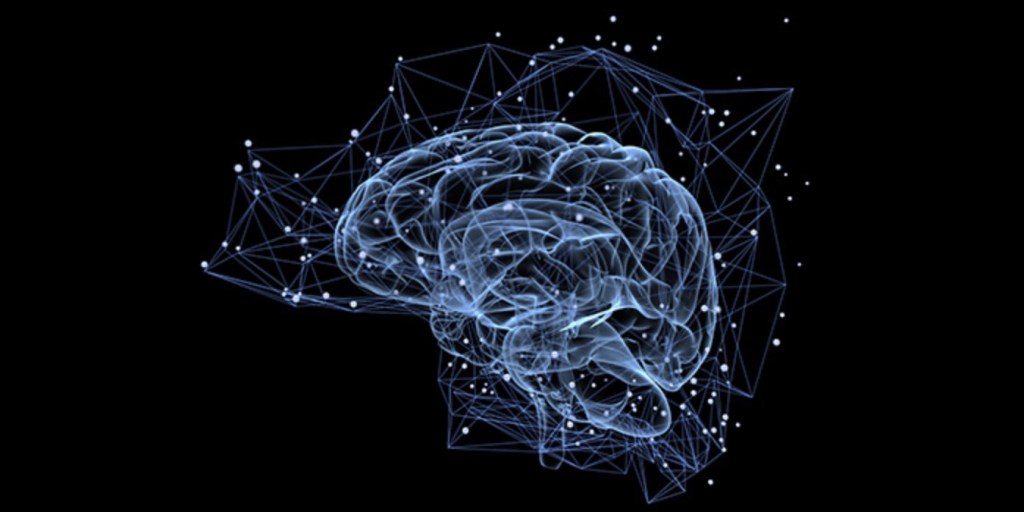
Procrastination, which seems harmless in the moment, can have significant negative consequences to your brain, both short and long term.
It is a battle between our emotional (limbic system) and rational (prefrontal cortex) centers, with the emotional side often winning.
This leads to temporary relief but long term consequences.
- The Limbic System: the brain’s emotional hub; processes pleasure, pain, and discomfort. It seeks comfort when faced with an unpleasant or challenging task.
- The Prefrontal Cortex: responsible for executive functions such as decision making, planning, and impulse control.
When we procrastinate, the prefrontal cortex struggles to overrule the limbic system’s emotional urges.
Brain scan studies have found that the prefrontal cortex becomes active when people think about long-term rewards, while the limbic system takes over when there is an opportunity for instant gratification.
This shift in brain activity is one of the reasons people tend to procrastinate.
Poor executive functioning, which includes the mental skills that help us plan, organize, and manage tasks, is closely linked to procrastination.
This helps explain why teenagers are more likely to procrastinate.
The prefrontal cortex, which supports executive functioning, is still developing during adolescence, making it harder to stay focused, manage time, and follow through on tasks.
Dopamine and Instant Gratification

Another factor to take into account is dopamine and instant gratification.
Engaging in more enjoyable, immediate activities causes dopamine release (the “feel-good” chemical).
When we experience something enjoyable or beneficial our brain releases dopamine in order to reinforce the behavior.
It is released when we eat delicious food, achieve a goal, or listen to our favorite song.
Unfortunately this also reinforces the habit of avoiding the harder task because it doesn’t result in immediate gratification.
Low dopamine levels can make tasks feel boring or hard to begin, which often leads to procrastination. But too much dopamine can also cause procrastination by triggering impulsive behavior and the craving for quick rewards.
This makes it harder to stay focused on long-term goals.
Our brain wants that easy reward now rather than the harder, long-term one later, which is why it chooses to scroll on TikTok over doing homework.
This is also known as delay discounting, which is the tendency to devalue delayed rewards compared to immediate ones.
Essentially, the longer it takes to receive a reward, the less appealing it becomes.
So even when you know that finishing your essay will feel great tomorrow, your brain wants the comfort of a Netflix binge right now.
The Amygdala

The amygdala, a key part of the limbic system, is responsible for processing emotions such as fear and anxiety.
The dorsal anterior cingulate cortex helps detect conflicts between different thoughts or actions and signals the brain to use cognitive control.
Research suggests that people with larger amygdalas and weaker connections between the amygdala and the dorsal anterior cingulate cortex may be more likely to procrastinate.
This is because the amygdala can trigger a fear response when a task feels stressful or overwhelming, leading to avoidance and delay. This stems from a fear of judgement, failure, or perfectionism.
Why Do We Procrastinate?

Procrastination often stems from a combination of emotional and cognitive factors.
- Feeling bored: If you perceive an activity as boring/unpleasant, you’re far more likely to put it off for later.
- Lack of belief in your abilities: If your sense of self-efficacy is low, you’re less likely to start or see a task through.
- Fear of failure: You avoid starting because deep down you are afraid of doing it wrong. This is liked to perfectionism and self-doubt.
- Distraction: Distractions in our environment prevents us from focusing at the task at hand. Immediate rewards (scrolling or snacking) seem easy in comparison to the tasks we have to do.
- Lack of motivation/ low dopamine: Without these factors, tasks may feel pointless or uninteresting.
- Emotional avoidance: You might put something off because it results in feelings of embarrassment, frustration, anxiety, or boredom.
- Task is overwhelming or unclear: When the task is too big or vague, your brain struggles to know where to start.
When we look at all these factors together, it’s clear that procrastination isn’t just about poor time management or laziness. It is often a response to how we feel about the task and our confidence in our ability to complete it.
How To Actually Stop Procrastinating
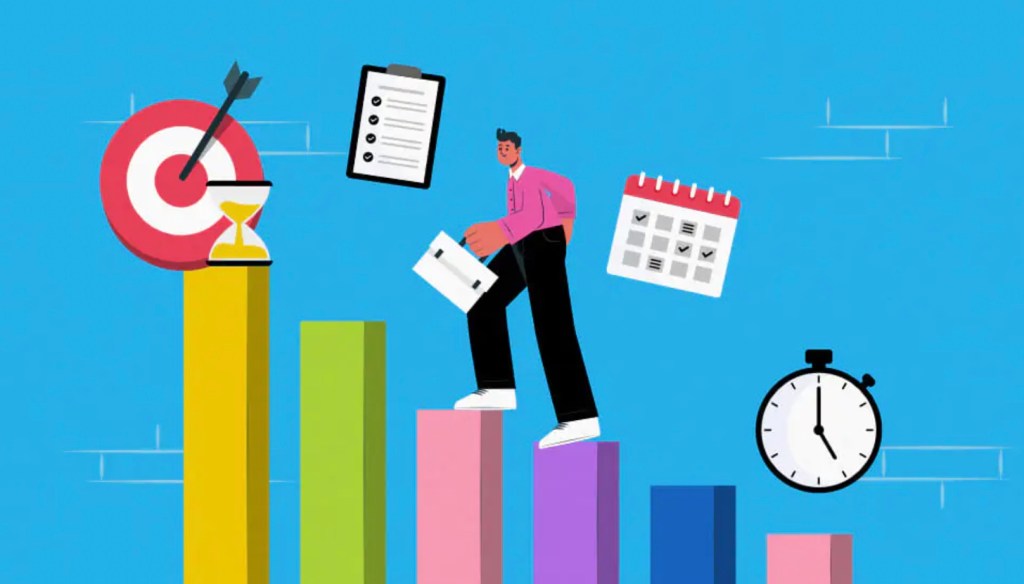
Understanding why we procrastinate is important, but awareness alone does not always lead to change.
You do not need perfect motivation or endless willpower; Just a few practical tools to work with your brain, not against it.
- Break the task into smaller steps: Small wins build momentum. Our brains hate big, vague tasks; Instead, break the task down into smaller steps to make it easier to handle.
- Remove immediate distractions: Out of sight, out of mind! Put your phone in another room, silence notifications, or use site blockers.
- Reward progress not perfection: Give yourself something to look forward to when the task is completed. Even something as simple as a cookie can go a long way.
- Make the task seem urgent: If you’re the type of person who works better under stress, set your own deadlines before the real ones.
- Change your environment: Simple changes like sitting on your desk, lighting a candle, or listening to study music can signal to your brain that it’s time to work.
- Use a timer (Pomodoro method): This personally works really well for me whenever I need to study for upcoming exams. Work for 25 minutes, then take a 5 minute break. This makes the task seem more manageable.
These are just a few strategies that have really worked for me. Please let me know if you have had similar results!
Conclusion
Procrastination is something we are all guilty of doing at some point in our lives. Nobody’s perfect, I even procrastinated writing this blog post!
It is important to note that procrastination is not just about being lazy or unmotivated; It is often the result of how our brains respond to stress, uncertainty, and emotional discomfort.
The good news is that once we understand what is really going on underneath the surface, we can start to take small, meaningful steps towards change.
Sources
Cherry, Kendra. “What Is Procrastination?” Verywell Mind, 7 July 2024, www.verywellmind.com/the-psychology-of-procrastination-2795944.
insightspsychology. “The Brain Science behind Procrastination.” Insights Psychology, 29 Nov. 2024, insightspsychology.org/the-neuroscience-of-procrastination/.
McLean Hospital. “The Real Reason You’re Procrastinating.” McLean Hospital, 7 Aug. 2024, www.mcleanhospital.org/essential/procrastination.
Psychology Today. “Procrastination.” Psychology Today, Sussex Publishers, 2017, www.psychologytoday.com/us/basics/procrastination.
 The Mind Unfiltered
Leave a comment